“The aim of this comprehensive, up-to-date guideline, which includes numerous authors who are CRY (Cardiac Risk in the Young) physiologists, cardiac Research Fellows and senior...

Ground-breaking research proves cardiac screening identifies life-threatening conditions in 1 in 300 young people – and provides life-saving interventions for 41% of them. Now, CRY is investing in artificial intelligence to make screening even more effective and accessible to every young person.
CRY’s research shows that screening saves young lives, but it also highlights that a single test between ages 14 and 35 is not always enough. As technology advances, AI and machine learning will play an increasingly important role, not only through wearable monitoring, but also by helping us screen more young people efficiently and making our specialist expertise accessible to anyone interpreting ECGs in young individuals. However, these tools are only as effective as the data used to train them.
That is why CRY is investing in a major new AI Screening and Research Project as part of our 2030 Strategic Vision, using more than 30 years of expertise and real-world screening data to expand access, support clinicians, and help prevent young sudden cardiac deaths.
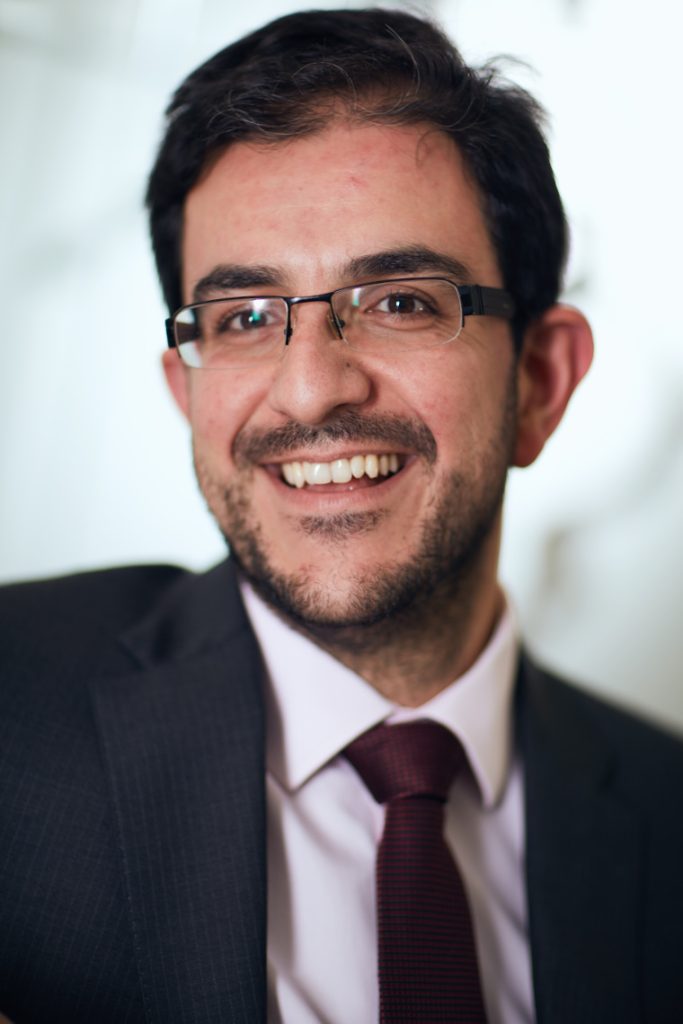
AI has the potential to considerably enhance the power and accuracy of ECG as a screening tool to identify young individuals at risk of cardiac arrest – as well as massively upscaling a nationwide screening programme and significantly reducing the associated costs.
Professor Michael Papadakis
Every week in the UK, twelve apparently fit and healthy young people die suddenly from undiagnosed heart conditions. CRY’s research has shown that screening works: one in 300 young people assessed through our programme are identified with potentially life-threatening cardiac conditions if left unmonitored or untreated. More than 40% (41%) of those diagnosed go on to receive significant risk-reducing interventions, including implantable defibrillators, pacemakers, cardiac ablation procedures, and in some cases heart transplantation.
Screening saves lives, but a single test between the ages of 14 and 35 is not always enough. As technology advances, artificial intelligence and machine learning will play an increasingly important role, not only through wearable monitoring, but also by helping us screen more young people efficiently and making specialist cardiology expertise accessible to anyone interpreting ECGs in young individuals.
AI and machine learning have the potential to transform preventative health and screening, supporting CRY’s vision that every young person should have access to screening, not just once, but routinely throughout their lives.
These technologies, however, are only as powerful as the data used to train them. CRY holds a uniquely valuable dataset, demonstrated through our latest research following more than 104,000 young people. As our programme continues, this will grow to more than 300,000 individuals with long-term follow-up. This expanding resource will form the foundation for the next generation of preventative cardiac screening in young people.
That is why CRY is investing in a major new AI Screening and Research Project as part of our 2030 Strategic Vision, using more than 30 years of expertise and real-world screening data to expand access, support clinicians, and help prevent young sudden cardiac deaths.
CRY's AI Cardiac Screening and Research Project harnesses 30 years of clinical expertise to develop AI tools that support clinicians, improve accuracy, and make screening more accessible.
— CRY, From Evidence to Innovation
By supporting research you are helping to develop world-leading AI screening tools, expanding research, and making cardiac screening available to more young people.
Creating advanced ECG interpretation tools that capture CRY’s expert knowledge and make it accessible to clinicians worldwide.
Using AI and machine learning to uncover hidden patterns, generate new insights into cardiac risk markers, and guide future interventions.
Supporting research into easy, routine retesting between screening appointments to ensure ongoing protection.
Growing and curating the world’s largest dataset of young people screened for cardiac conditions, which underpins AI learning and long-term research.
Helping clinicians and screening programmes use AI tools effectively, ensuring expert guidance is available wherever screening takes place.
Successfully navigating the challenges and opportunities presented by AI and Machine Learning relies upon a firm understanding of a complex and evolving data, AI/ML, regulatory (e.g. MHRA) and legal landscape. Our data is powerful, but we need to be mindful of its appropriate use and development. We will leverage expertise from external stakeholders as appropriate.

Research proves screening saves lives. AI will help us save thousands more. Your donation today powers the future of cardiac screening.